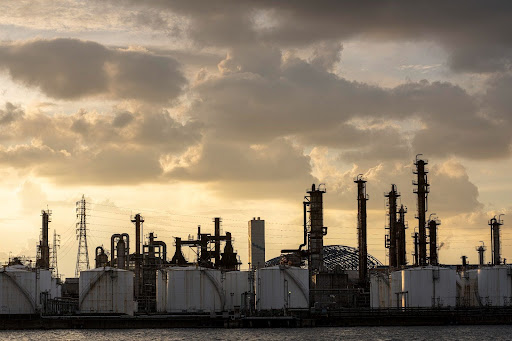
The appointment of Mojtaba Khamenei as Iran’s new supreme leader — the first son to inherit the position in the history of the Islamic Republic — sent a message to markets and governments alike: Iran’s new dynasty had no intention of ending the war that its founding leader had helped escalate. Oil prices jumped above $100 per barrel, reflecting that market judgment.
Israeli strikes on oil storage facilities near Tehran killed four workers and left the capital blanketed in black smoke. Iran’s Revolutionary Guards threatened to push global oil to $200 per barrel and launched coordinated strikes against Saudi Arabia, the UAE, Qatar, Bahrain, and Kuwait, with Saudi forces intercepting 15 drones and Bahrain’s desalination infrastructure sustaining damage.
Two Saudi civilians were killed in a residential strike, and a US service member died from wounds sustained in an Iranian attack — the seventh American killed in the conflict. Reports that Russia had been supplying Iran with targeting intelligence for attacks on US military assets in the region added a chilling new dimension to the crisis.
The clerical assembly’s appointment of Mojtaba Khamenei was described as a decisive vote intended to preserve national unity. But the contradiction between the president’s apology to Gulf states and the military’s continued strikes had already undermined any sense of unified Iranian leadership, leaving the new supreme leader with a fractured government to manage in the middle of a multi-front war.
Washington pledged not to target Iranian oil infrastructure and predicted only brief supply disruptions. But with a new dynasty at the helm in Tehran, oil above $100, and a military operating with apparent independence, the market’s judgment that the war would continue was well-founded.
Oil Prices Jump as Iran’s New Dynasty Signals No End to the War