
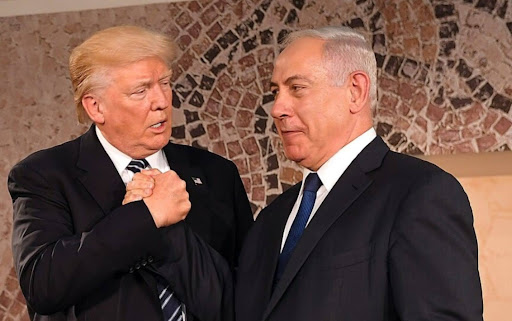
Israeli Prime Minister Benjamin Netanyahu appears to have made a deliberate strategic calculation around the South Pars gas field strike: hit a target that advances Israel’s broader campaign goals, absorb the American pushback, accept a narrow limitation, and preserve maximum freedom of action going forward. The calculation, if that is what it was, worked — at least in the short term. Israel struck a major Iranian target, received a public rebuke from Washington, agreed not to repeat that specific strike, and emerged with its broader operational independence intact.
US President Donald Trump confirmed the rebuke publicly, saying he had told Netanyahu directly not to carry out the attack. The strike triggered Iranian retaliation, drove up global energy prices, and alarmed Gulf allies who turned to Washington for assurance. These were real costs — but they were costs borne largely by Iran, by global energy markets, and by regional stability, rather than by Israel specifically.
Netanyahu’s public response was designed to limit those costs further. By framing himself as Trump’s loyal ally, by accepting the specific limitation Trump requested, and by invoking their shared decades of concern about Iran, he managed to close the immediate gap without surrendering the broader principle of Israeli military independence. It was a skilled piece of diplomatic management.
Senior US officials reinforced the narrative of alliance unity while confirming that American strategy is guided by American interests. Their statements acknowledged, without dwelling on, the fact that Israeli and American interests are not identical. That acknowledgment — implicit in the very need to clarify the distinction — underscored the limits of Washington’s influence over Jerusalem’s military planning.
The deeper issue is whether this kind of episode — strike, rebuke, narrow concession, reassurance — is a one-time occurrence or a template for how the alliance will manage its internal divergences going forward. If Israel’s goal is regional transformation and America’s is nuclear containment, there will be more targets that serve one agenda but not the other. Each time that happens, Netanyahu’s calculation will be tested again — and the alliance will face another of the South Pars dynamic.