
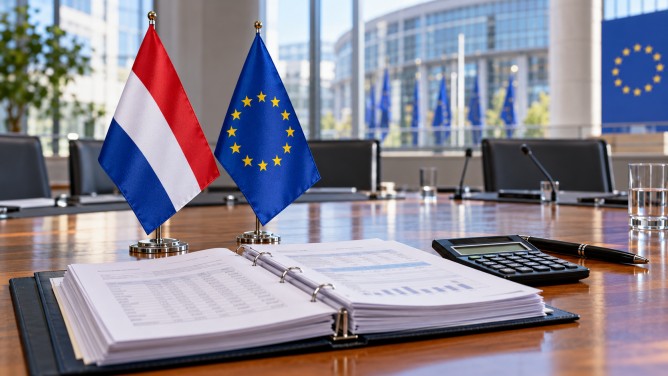
The Netherlands, joined by Germany, Sweden, Denmark, Austria, and Finland, is advocating for significant cuts to the European Union’s proposed budget for 2028–2034. These six nations, which are net contributors to the EU budget, argue that the nearly €2 trillion proposal would lead to unsustainable spending within the Union.
The group is pushing for reductions amounting to several hundred billion euros, citing concerns over the financial burden the proposed budget would impose on major contributors. This stance has led to a divide among EU member states, with other countries such as Spain and Italy favoring a larger budget to ensure stronger funding for poorer regions and sectors like agriculture.
As negotiations continue, the EU’s 27 member states must reach a consensus on the budget before the leaders’ summit scheduled for October. The discussions highlight the ongoing challenges in balancing the financial contributions and needs of different countries within the Union.
The outcome of these negotiations will be crucial, as the budget requires unanimous approval from all EU countries. The differing priorities between net contributors and beneficiaries underscore the complexities involved in crafting a financial plan that addresses the diverse economic landscapes across Europe.