
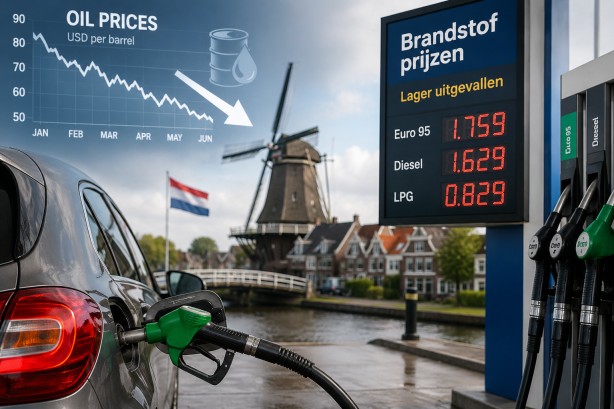
In a significant development for global oil markets, prices have dropped considerably as the United States and Iran paused their military strikes. This has led to a decline in Brent crude oil prices, which fell from over €88 per barrel last week to just above €81. The reduction in oil prices is expected to lead to lower fuel costs in the Netherlands soon.
The decline in oil prices has been further supported by a stronger euro, which benefits European buyers since oil is traded in US dollars. This currency strength makes importing oil cheaper, adding to the downward pressure on prices. Despite these changes, the advisory gasoline price in the Netherlands remains high at €2.634 per liter, slightly under the record of €2.646 set earlier this year.
The increase in fuel prices over recent months was largely influenced by escalating tensions involving Iran that began in late February. Although crude prices have now dropped, it typically takes some time for these reductions to be seen at the consumer level. Consequently, analysts predict that lower oil prices will gradually filter through to fuel stations.
Retail fuel prices tend to lag behind global oil market changes, often adjusting several days after shifts in crude prices occur. As a result, consumers in the Netherlands may need to wait a little longer before they see the benefits of the current drop in oil prices at the pump.